Pullboard coordinates development agents around approved specifications: each claims an item in its own worktree, passes a test gate, then another agent verifies the commit before it is accepted. Rules and activity stay in the repository, with a local board instead of a hosted service.
Its workflow puts concrete controls around agent work: approved requirements are frozen when an item is claimed, lanes restrict writable paths, and a state machine shared by the commands, interface, and documentation governs each transition.
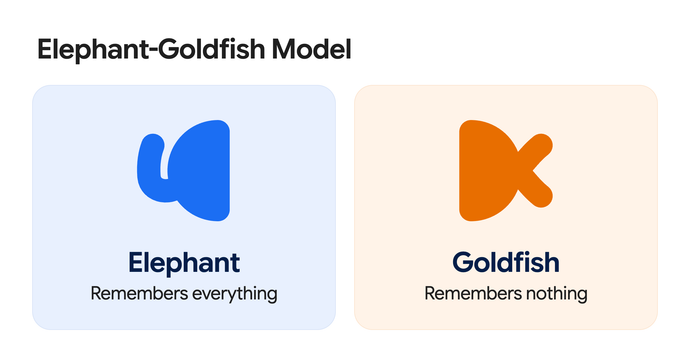
Elephant-Goldfish Model, Google’s open-source plugin, provides skills to explore an idea, draft a specification, and challenge it before implementation. An “Elephant” agent keeps the project context; “Goldfish” reviewers inspect the document without the conversation history to surface unstated assumptions and risks.
The repository also covers resolving review findings and comparing documentation with code. Reviews require fresh subagent contexts; if the environment cannot create them, EGM stops that step.
Spec Kit provides tools for turning requirements into specifications, plans, and implementation tasks. Its repository documents a workflow that puts written decisions before code generation.