
The developer documentation separates installation, contribution and API integration paths. It points to Docker or Kubernetes deployments and the REST reference.
Tech watch
← All linksContainer orchestration: deployments, resources, networking and cluster operations.
The developer documentation separates installation, contribution and API integration paths. It points to Docker or Kubernetes deployments and the REST reference.
Freelens provides an open-source interface for exploring and managing Kubernetes clusters. Its cross-platform desktop application complements kubectl commands with a graphical view.
This controller temporarily increases CPU requests and limits during workload startup, then restores the original values. It targets applications whose initialization needs exceed steady-state resource use.
The documentation compares VolSync replication and backup methods, including Rclone, Restic, Rsync and Syncthing. It maps them to scenarios such as disaster recovery and multi-site synchronization.
Kubepug checks cluster resources or manifest files for deprecated and removed APIs. Selecting a target version helps prepare migrations before an upgrade.
Kube No Trouble inspects manifests stored by kubectl or Helm as well as local files. It identifies API versions that need migration before a cluster upgrade.
DevPod uses devcontainer.json to create environments on local Docker, remote machines or Kubernetes. The same environment definition can follow a project across infrastructure choices.
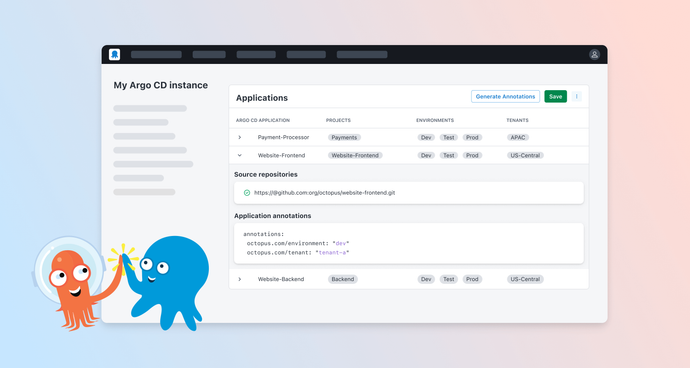
The article examines manifest previews and diffs before a GitOps deployment. It helps teams understand the practical impact of Kubernetes changes beyond syntax validation.

The guide compares the limitations of kubectl exec with kubectl debug. It also introduces superdebug for diagnostic sessions that require volume mounts.
Jonathan Merlevede
Sleepcycles defines shutdown and wake-up schedules for several Kubernetes resource types. It helps reduce unnecessary workload activity outside required operating periods.
ASO exposes Azure resources as Kubernetes resources. It can provision a PostgreSQL server and configure the consuming application within the same declarative workflow.
This discussion examines ISR cache consistency in Docker and Kubernetes deployments. It points to custom cache handlers for coordinating multiple self-hosted instances.
KRR analyzes pod usage to recommend CPU and memory requests and limits. Its recommendations provide a measurement-based starting point for Kubernetes resource allocation.
This tutorial walks through collecting a memory dump from a .NET application running in a pod. It provides a diagnostic workflow for investigating problems beyond application logs.
@cezary_piatek
Autopilot provides a repository structure and workflow for installing Argo CD and deploying applications. It also supports rebuilding a cluster from the desired state stored in Git.
The article shows how to deploy Kuberhealthy, define checks and expose results to Prometheus. It provides a way to monitor actual service behavior from within the cluster.
Martin Heinz
This file collects setup notes, kubectl commands and Kubernetes resources. Its browsable GitHub format makes it a practical reference, with some examples reflecting older tooling.
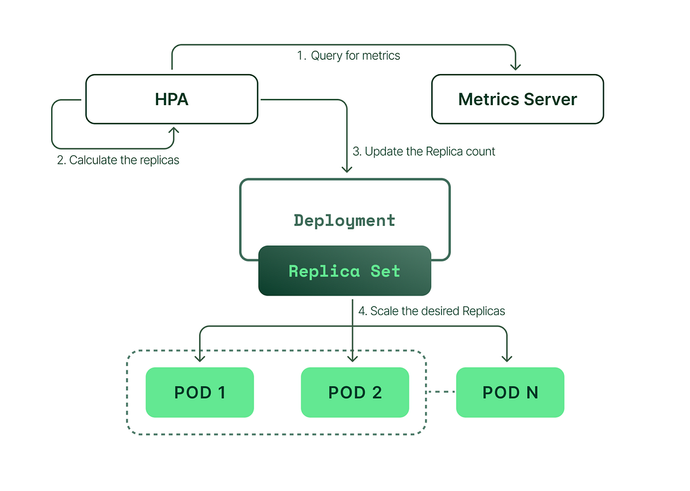
This guide explains HPA behavior and the use of custom metrics to adjust replicas. It connects metric selection and resource limits to practical scaling behavior.
Caio Barbieri

The tutorial assembles a Kubernetes delivery pipeline with GitHub Actions, Helm and Argo CD. It explains the Git synchronization model behind a pull-based GitOps workflow.
Ikeri Ebenezer
This collection groups Kubernetes resources by operational need, including provisioning, storage, security and troubleshooting. It offers a structured starting point for comparing tools.


