This tutorial walks through collecting a memory dump from a .NET application running in a pod. It provides a diagnostic workflow for investigating problems beyond application logs.
@cezary_piatek
Page 21 of 22
This tutorial walks through collecting a memory dump from a .NET application running in a pod. It provides a diagnostic workflow for investigating problems beyond application logs.
@cezary_piatek
Autopilot provides a repository structure and workflow for installing Argo CD and deploying applications. It also supports rebuilding a cluster from the desired state stored in Git.
The article shows how to deploy Kuberhealthy, define checks and expose results to Prometheus. It provides a way to monitor actual service behavior from within the cluster.
Martin Heinz
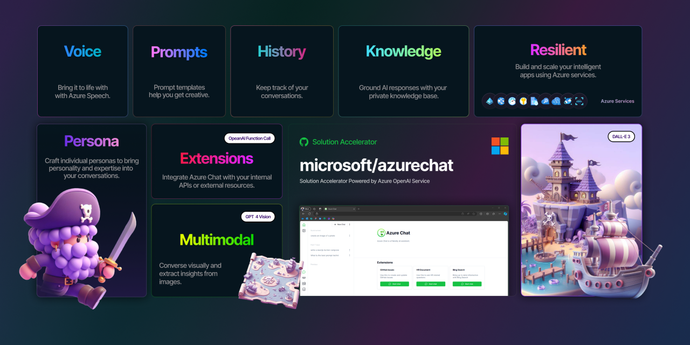
Microsoft’s accelerator provides a starting point for deploying chat in an Azure subscription. It documents identity providers, extensions and conversations grounded in files.
Humanscript uses an LLM to interpret natural-language instructions and translate them into code at runtime. A screenshot-organizing example illustrates this approach to automation.
This file collects setup notes, kubectl commands and Kubernetes resources. Its browsable GitHub format makes it a practical reference, with some examples reflecting older tooling.
Supabase combines Postgres with authentication, REST APIs, functions, storage, and realtime sync. The platform provides common backend services while keeping data in a portable database.
@supabase
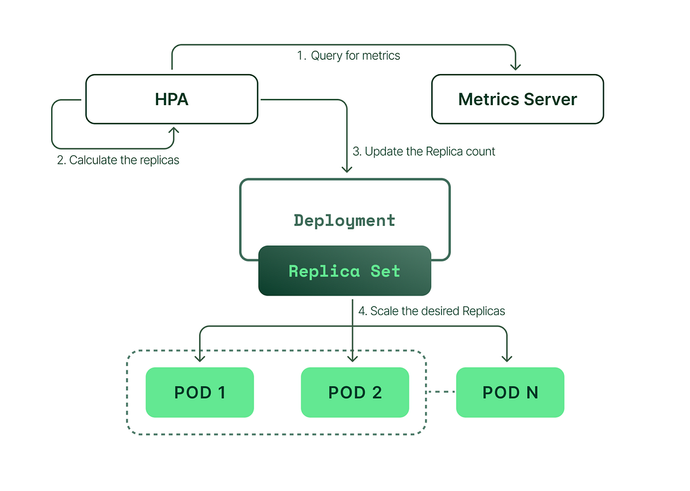
This guide explains HPA behavior and the use of custom metrics to adjust replicas. It connects metric selection and resource limits to practical scaling behavior.
Caio Barbieri

The tutorial assembles a Kubernetes delivery pipeline with GitHub Actions, Helm and Argo CD. It explains the Git synchronization model behind a pull-based GitOps workflow.
Ikeri Ebenezer
This collection groups Kubernetes resources by operational need, including provisioning, storage, security and troubleshooting. It offers a structured starting point for comparing tools.

FlowGPT collects community-published prompts and AI apps, with categories for programming, work, and creative tasks. Users can browse examples or publish their own creations.
FlowGPT
PR-Agent provides a community-maintained agent for reviewing pull requests. The repository documents setup and distinguishes this open-source project from Qodo’s commercial offering.
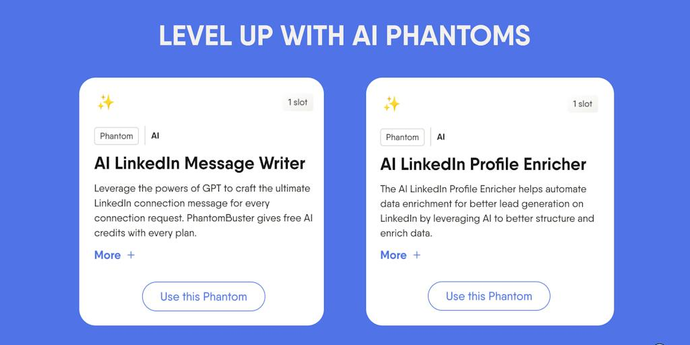
This product listing introduces PhantomBuster’s data collection and lead generation automations. It provides an overview of use cases alongside launch history and user feedback.
Marina Baccaro
The survey separates AI adoption from trust: 70% of respondents use or plan to use AI tools, while 42% trust their accuracy. It provides a dated snapshot of developer expectations.
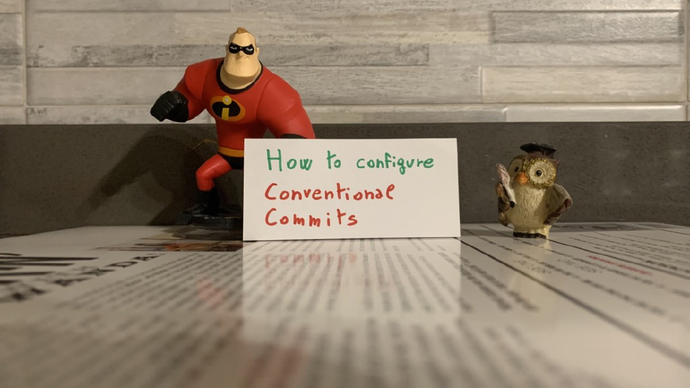
This tutorial introduces commit conventions into a .NET application using Git hooks and npm tooling. It aims to make change history clearer and easier to review.
Davide Bellone
Dittofeed combines audience segmentation, message templates and automated journeys across email, SMS and push notifications. Its API connects application events and data to messaging workflows.
RapidAPI Hub catalogs public APIs and lets developers explore endpoints before integration. Its playground adds conversational discovery and MCP access for querying services without building a dedicated app.
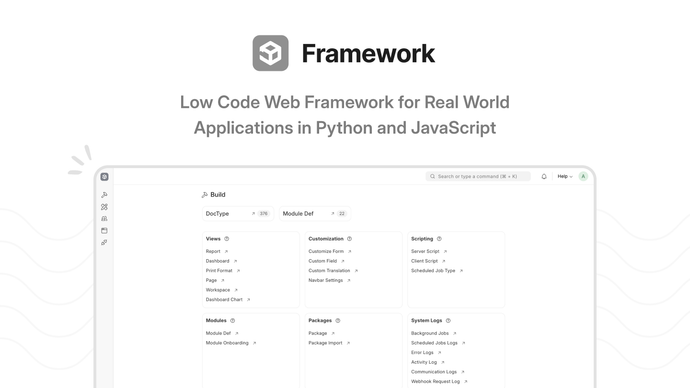
Frappe combines a Python backend with a JavaScript interface for business applications. Its metadata model, used by ERPNext, defines objects and behavior to reduce repetitive application code.
This extension reformats TypeScript errors with syntax highlighting and links to type declarations. It makes diagnostics easier to follow when deeply nested types obscure the actual problem.

Mock Service Worker describes network responses using handlers based on the Fetch API. The same mocks support development and testing without tying scenarios to a particular HTTP client.