Code Wiki generates explanations, API references, and architecture views from public repositories. Its code-section navigation helps explore a project without manually reading every file.
Page 11 of 22
Code Wiki generates explanations, API references, and architecture views from public repositories. Its code-section navigation helps explore a project without manually reading every file.
Maxun records browser interactions to extract data, run automations, and monitor pages. Its repository describes an open-source solution that can be self-hosted.
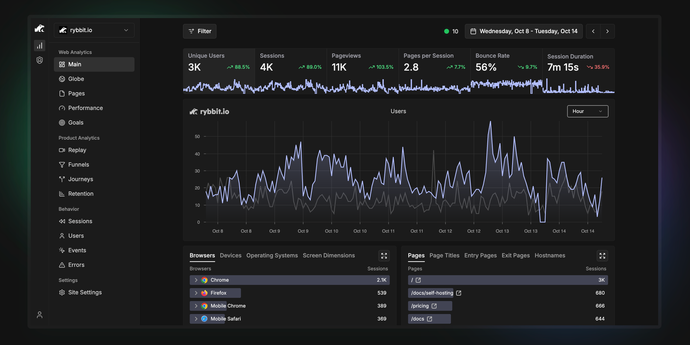
Rybbit offers open-source web analytics with self-hosting and a deliberately simple interface. It targets teams that want audience metrics without relying on Google Analytics.
Griddy Icons collects free vector pictograms in a consistent geometric style. The set helps keep interface iconography visually coherent.
Shader Gradient lets you tune animated gradients and use them in Framer, Figma, or React. Its interface makes shader parameters easier to explore visually.

Unicorn Icons offers animated icons that can be customized in the browser and exported as Rive or Lottie. The listed targets include React, iOS, and Android.
This repository offers hands-on prompt-writing lessons with exercises and Claude examples. Its sections also cover tool use and response structure.
This article shows how to expose a Storybook-documented React library through a local MCP server. Component manifests let an agent consult design-system rules before generating code.

React Grab lets you select a visible element in an app and pass its context to a coding agent. It helps locate the corresponding component in the codebase.
The article introduces prefill, a function that composes props before they reach a React component. It can replace a dedicated wrapper when standard styles or behavior need to be applied.
https://github.com/onurkerimov
Claude-Mem captures session activity, compresses it, and brings relevant details into later sessions. Its repository describes persistent memory for several coding agents.
AutoPentestX combines offensive testing modules and report generation in a Python repository. The project is early, but shows how an automated penetration-testing workflow is assembled.
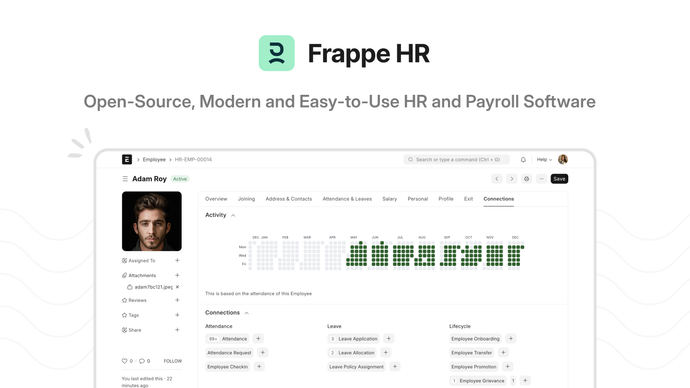
Frappe HRMS brings employee and payroll management into an open-source application. Its repository also documents roster, leave, and deployment modules.
Trigger.dev runs long-lived tasks and agents with retries and concurrency controls. Its TypeScript SDK keeps those workflows close to application code.
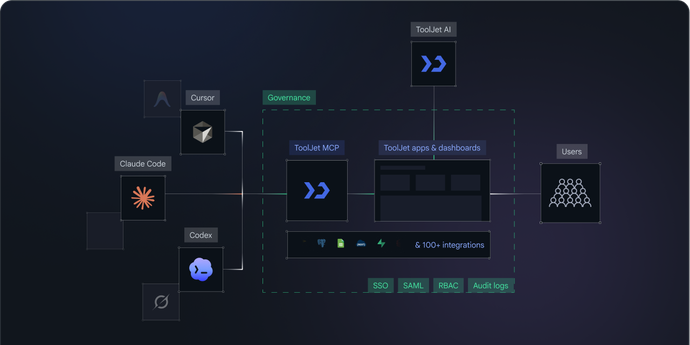
ToolJet builds dashboards and operational applications from databases, APIs and SaaS services. Its visual editor and generation features work within the platform’s component and data model.
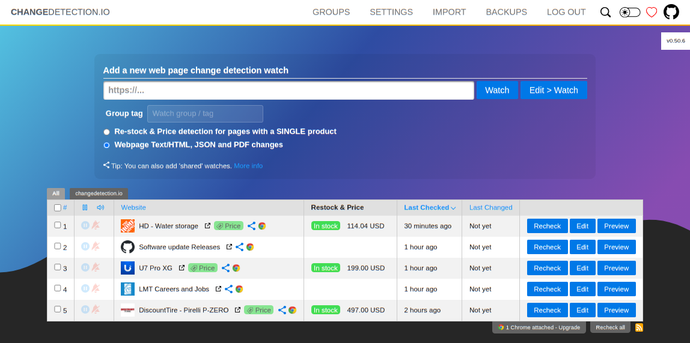
changedetection.io monitors pages and reports changes such as price shifts or restocks. It can be self-hosted and sends alerts through multiple channels.
Vercel organizes guidance around major sources of slowness: waterfalls, bundles and unnecessary renders. Prioritization helps agents address costly problems before micro-optimizations.
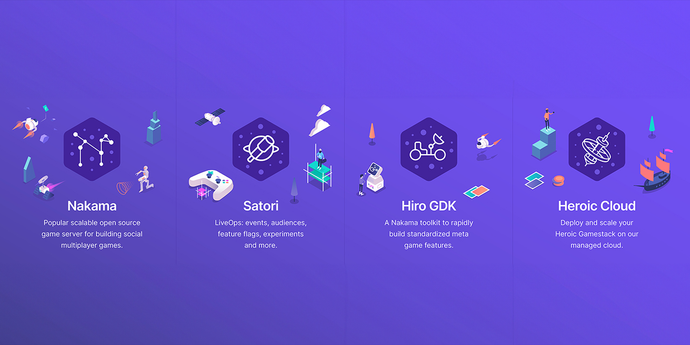
Nakama combines user accounts, storage, chat, leaderboards and multiplayer modes. The server provides shared foundations for games and real-time applications.
This repository groups data extraction APIs and tools by social platform. It provides a directory for comparing accessible data types and available integrations.