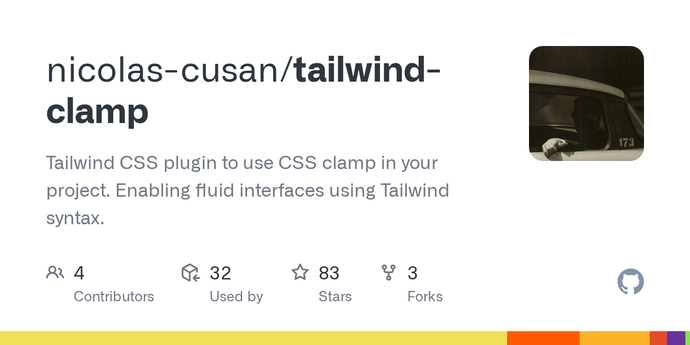
Tailwind Clamp exposes CSS clamp() values as utility classes. The plugin helps create fluid size or spacing scales without multiplying breakpoints.
Page 10 of 22
Tailwind Clamp exposes CSS clamp() values as utility classes. The plugin helps create fluid size or spacing scales without multiplying breakpoints.
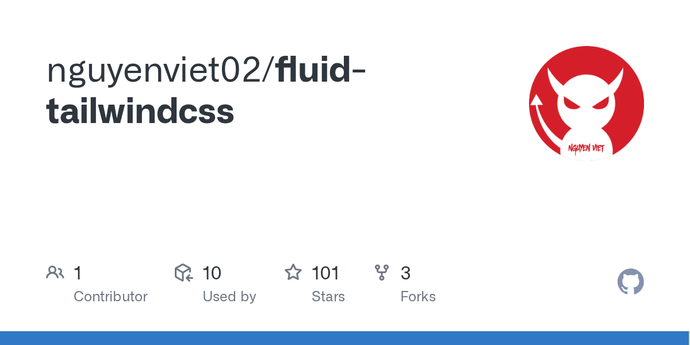
This plugin adds Tailwind CSS classes for fluid values across viewport sizes. It keeps responsive typography and spacing adjustments within the project’s utility-class vocabulary.
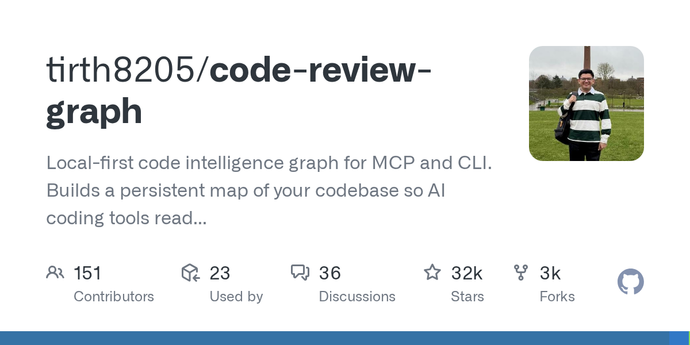
Code Review Graph builds a local graph of a codebase and exposes it through MCP and CLI tools. It aims to give agents relevant context without loading the entire repository every time.
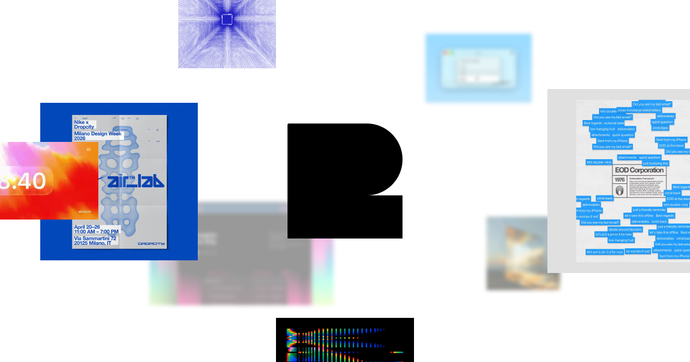
Godly collects websites and interfaces as visual references. Its gallery helps identify layout directions and interaction details to study.
@recentdesign
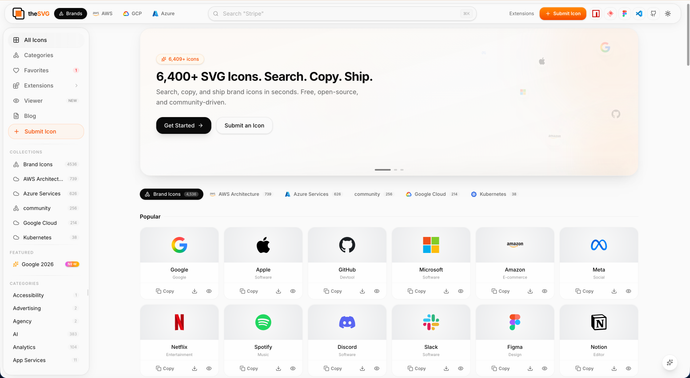
TheSVG catalogs searchable brand icons in SVG with integrations for several frameworks. It also offers a CLI, CDN, and MCP server for retrieving assets.
This example collects Tailwind CSS utilities that enlarge an element’s interactive area without changing its appearance. The technique makes controls easier to tap, especially on mobile.
Kian Bazza
This playground demonstrates React modal-sheet options such as snap points, scrolling, fullscreen, and keyboard handling. It also includes accessibility and reduced-motion examples.
Ilamy Calendar provides month, week, and day views with drag-and-drop and resource management. The repository also lists recurring-event support using RFC 5545.

TinyBase is a reactive in-memory store for JavaScript and TypeScript apps, with persistence and synchronization. It provides building blocks for local-first experiences without prescribing one server architecture.
WebHaptics adds tactile feedback to mobile web interactions through a small JavaScript API. It offers a way to make gestures feel physical without building a native app.
@lochieaxon
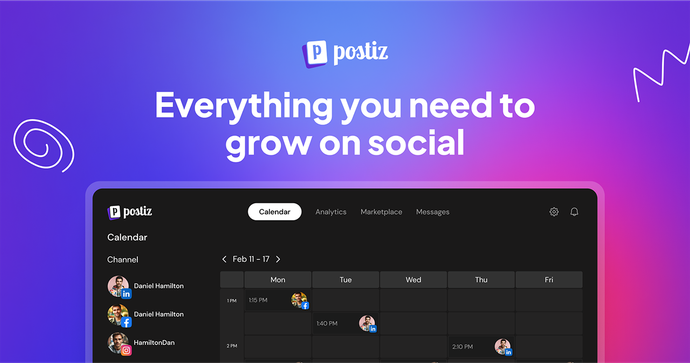
Postiz centralizes drafting and scheduling posts across platforms in an open-source application. Its repository lets teams assess self-hosting and available integrations.

Dokaa is a French platform for managing restaurant reviews and local presence. It brings review collection, customer retention, and visibility tracking into one tool.
Context7 gives coding agents documentation snippets for a specific library and version. It helps reduce answers based on outdated or guessed APIs.
Context7
Skills.sh catalogs reusable skills and simplifies installation for supported coding assistants. Its directory lets developers review use cases before adding capabilities to their workflow.
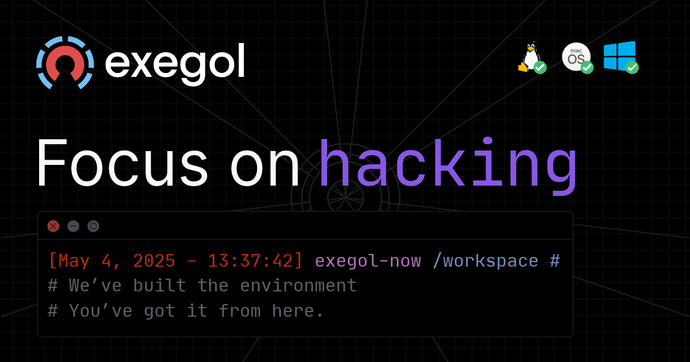
Exegol provides preconfigured container environments for offensive-security work. This approach gives teams a consistent testing setup without installing every tool on the host.
Scrapling is a Python scraping framework that adapts selectors when page structures change. It covers both a single request and larger crawling workflows.
NullClaw aims to provide compact infrastructure for an autonomous assistant, written in Zig. Its repository makes the project and implementation choices easy to explore.
Zvec is a lightweight vector database designed to run inside an application process. Its repository presents similarity search without deploying a separate service.

This skill gives an agent design guidance and interface choices for multiple platforms. The repository includes style, typography, and color-pairing recommendations to shape an implementation.
Rowboat presents itself as a collaborative assistant with memory and tool integrations. Its repository makes the architecture and integrations available for inspection beyond the product overview.